Students

Faculty from four Colleges (Public Health, Medicine, Pharmacy, and Engineering) participate in the Interdisciplinary Graduate Program in Human Toxicology.

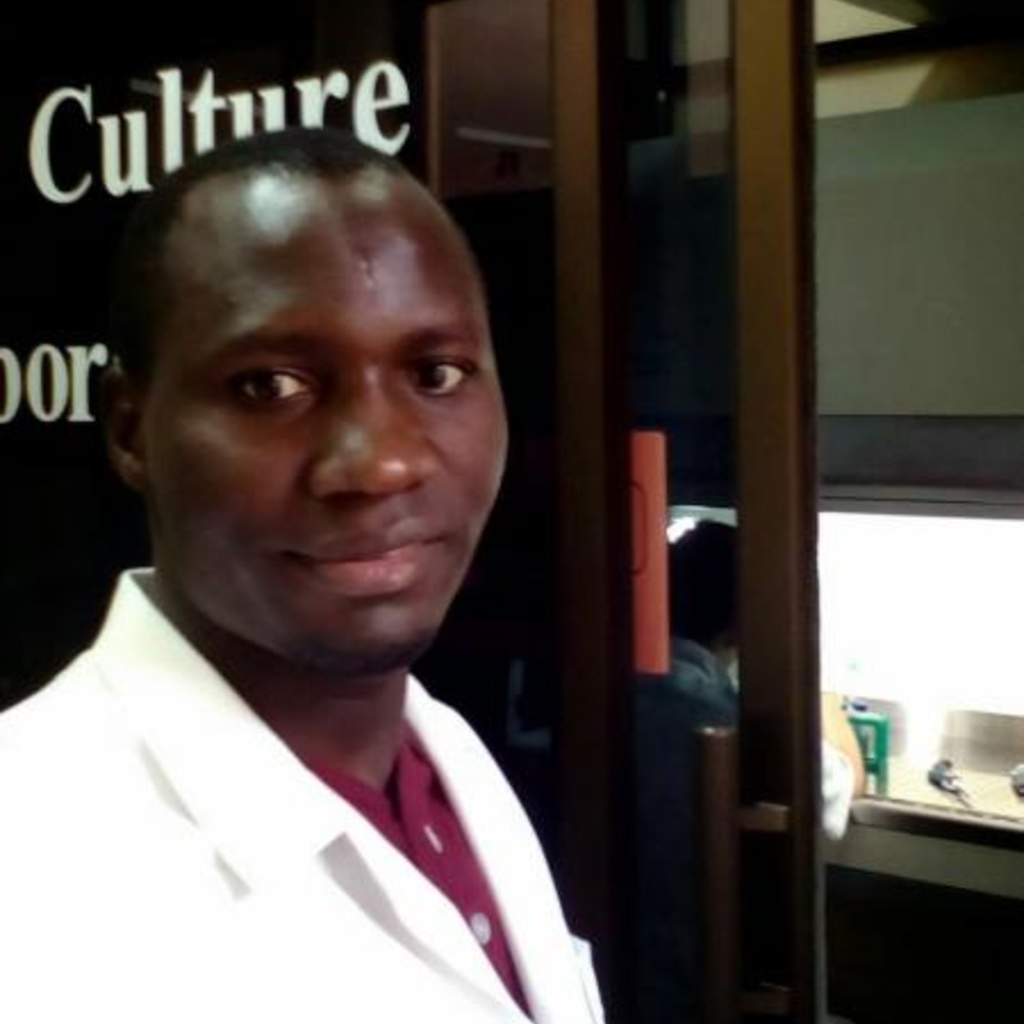
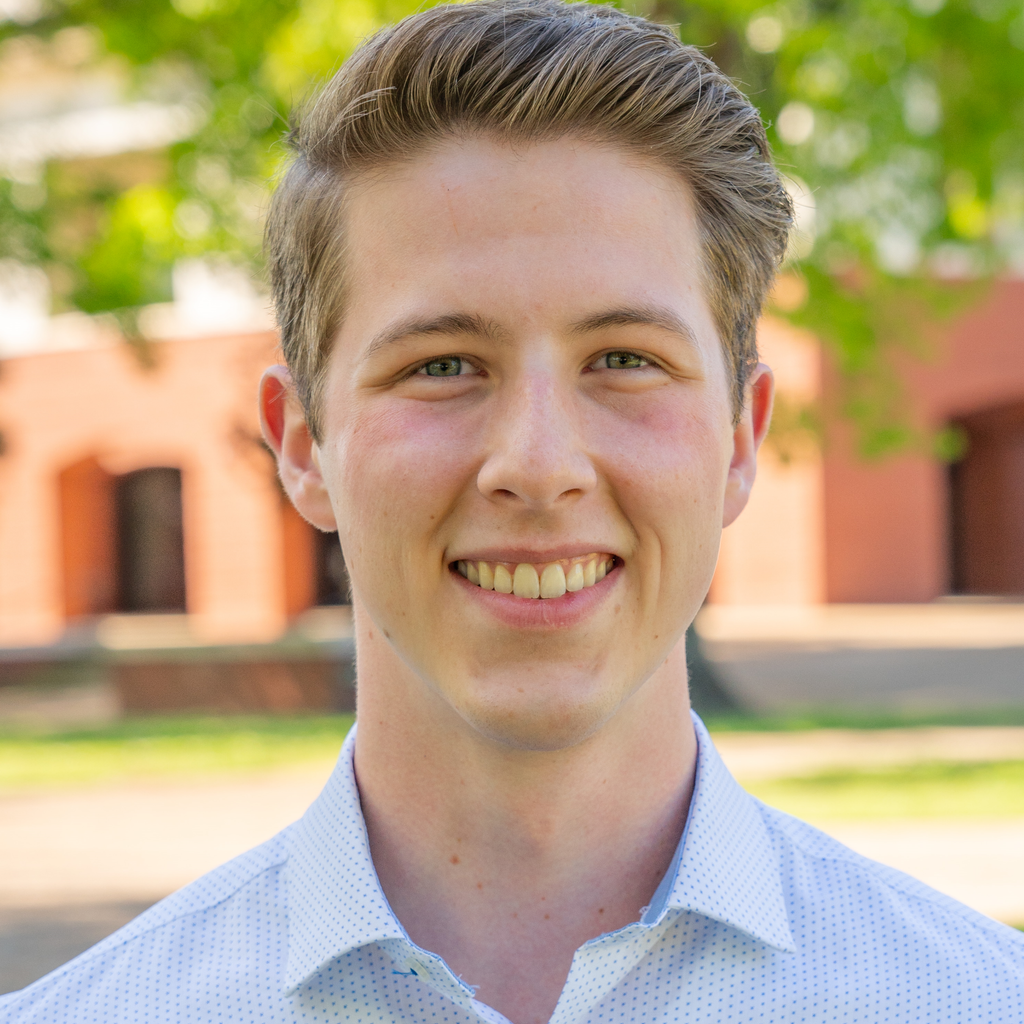
Chet Duda

Chet Duda

Several years ago I decided to leave the legal field and pursue a career in forensic chemistry. After completing an undergraduate program in chemistry with a criminalistics emphasis at the University of Wisconsin - Platteville, I began work on a PhD in analytical and physical chemistry at the University of Iowa. Toxicology and forensic chemistry share the trait that everything is a potential sample. This gives me a reason to inflict my curiosity upon the world and I have become enamored with the field. The knowledge I have gained from the Human Toxicology program has been of great value to me in the cancer diagnosis project in the Chemistry Department. I feel obtaining a Masters degree in Human Toxicology will give me the ability to more freely cross the assumed lines between chemistry, biology and medicine.


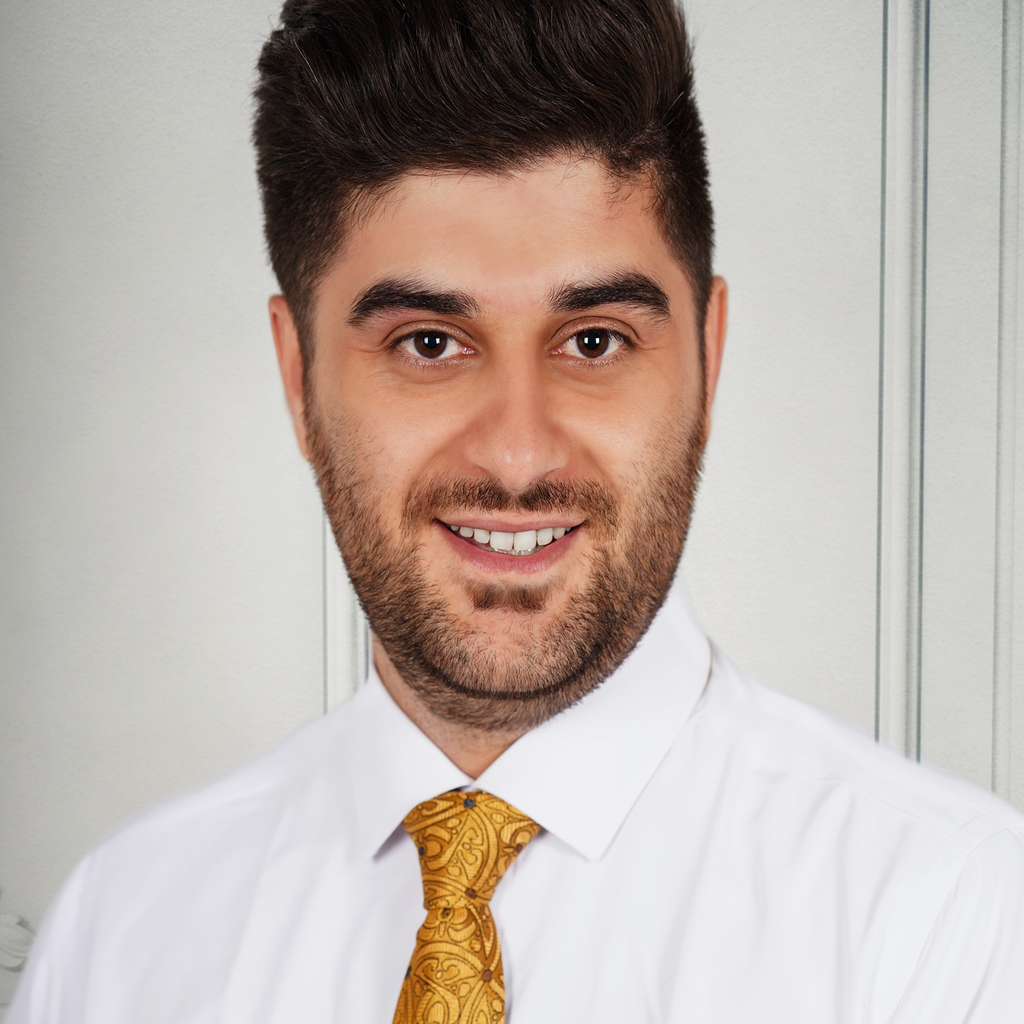
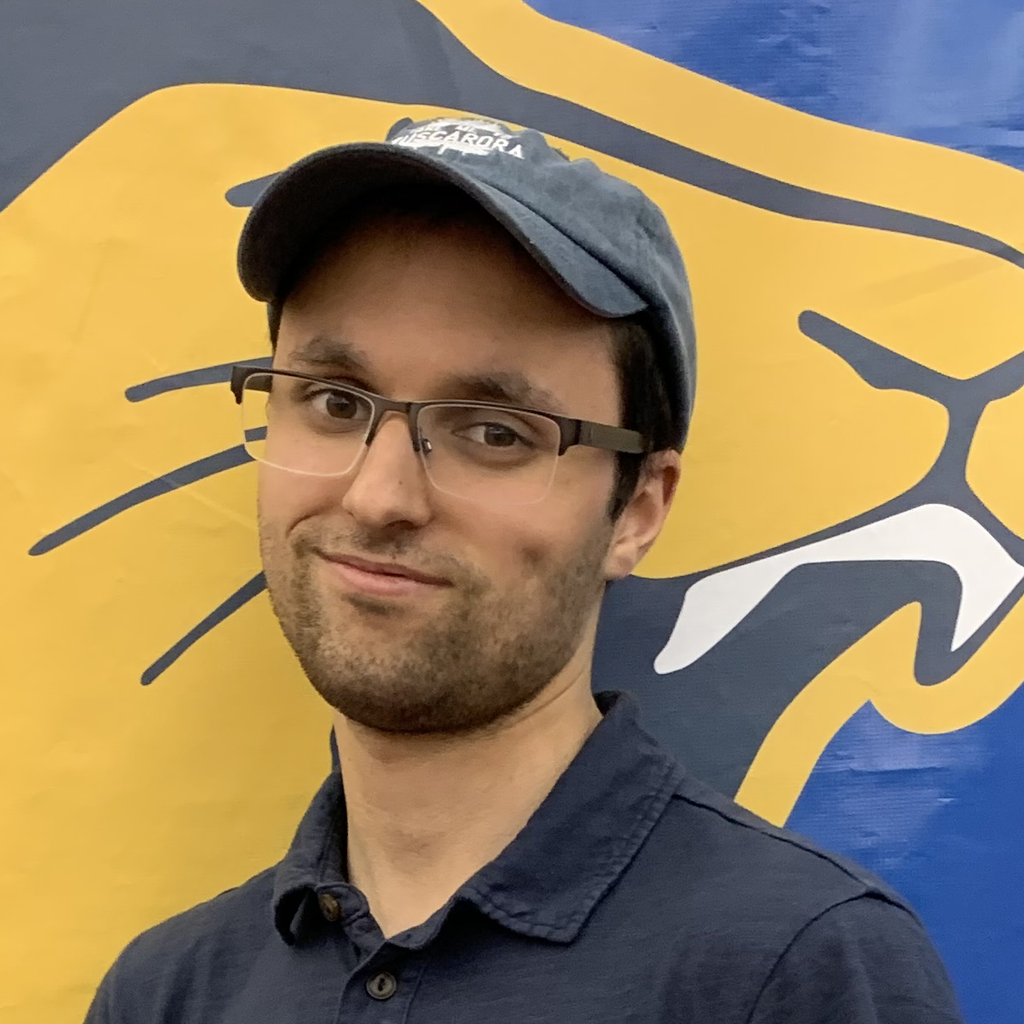
James (Jim) Jacobus

James (Jim) Jacobus

Three years ago I accepted a position as an Environmental Scientist in an engineering firm. The amount of pollution I witnessed was staggering, and I could not help but speculate regarding the environmental and human health effects. Toxicology is an effective interdisciplinary field from which to address the current challenge of environmental contamination. In order to solve a complex problem, collaboration is needed between many specialties. Toxicology appeals to me because of the teamwork required between the chemical and biological sciences in order to achieve results. These factors spurred my application to the University of Iowa with a desire to study toxicology. I committed to begin my degree a year ahead of my intended schedule after meeting with Dr. Robertson.

Research description: 

At the 2007 Society of Toxicology Annual Meeting in North Carolina, Jim participated in a special poster session for 42 visiting undergraduate students. His poster abstract ASSESSMENT OF 4-CHLOROBIPHENYL IN VIVO USING THE BIG BLUE RAT MODEL: MUTAGENICITY, GENE EXPRESSION, AND HISTOLOGY was carefully chosen, as only 22 presenters were invited.

The SOT Committee on Diversity Initiatives wanted to give the undergraduates a chance to learn something about the breadth and depth of toxicology research, and to know more in general about how research is done. This session provided an excellent opportunity for these students to interact with a toxicologist-in-training, and possibly be encouraged to attend graduate school in toxicology.


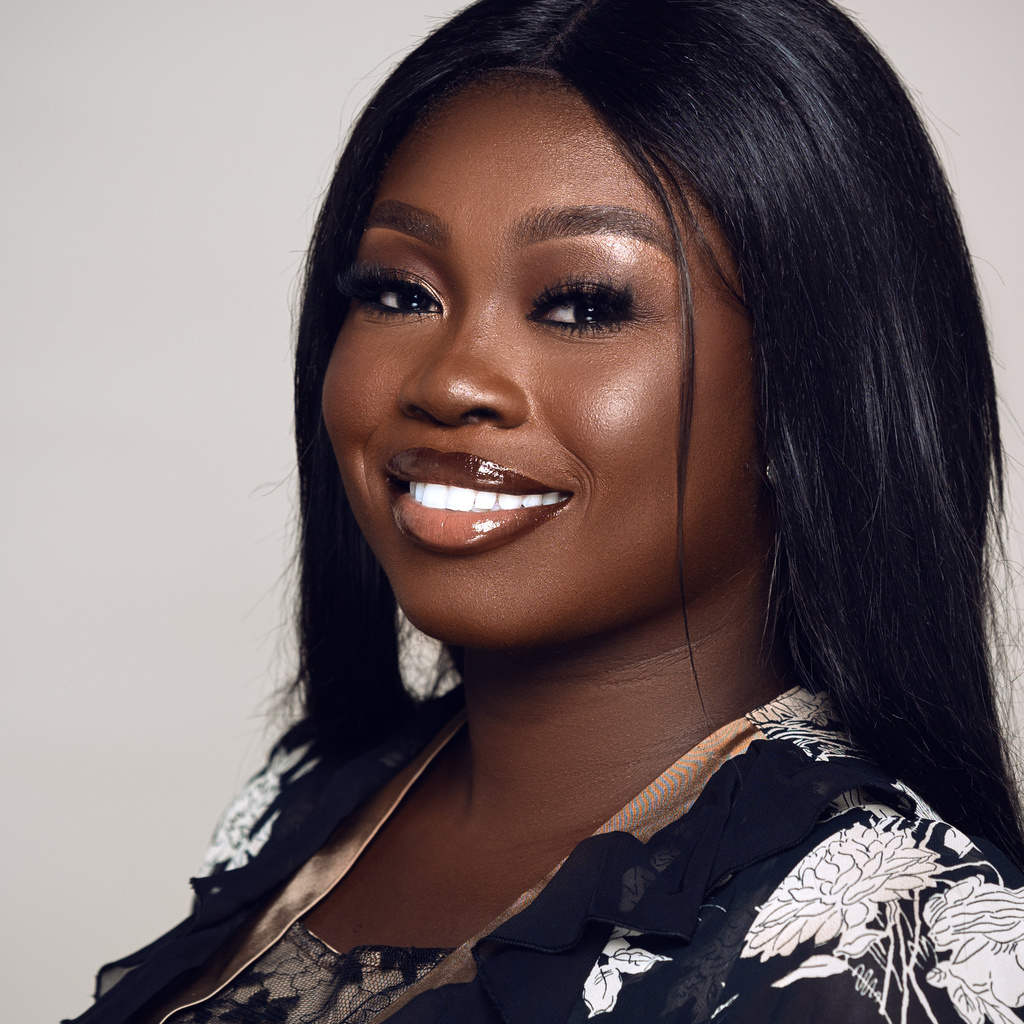
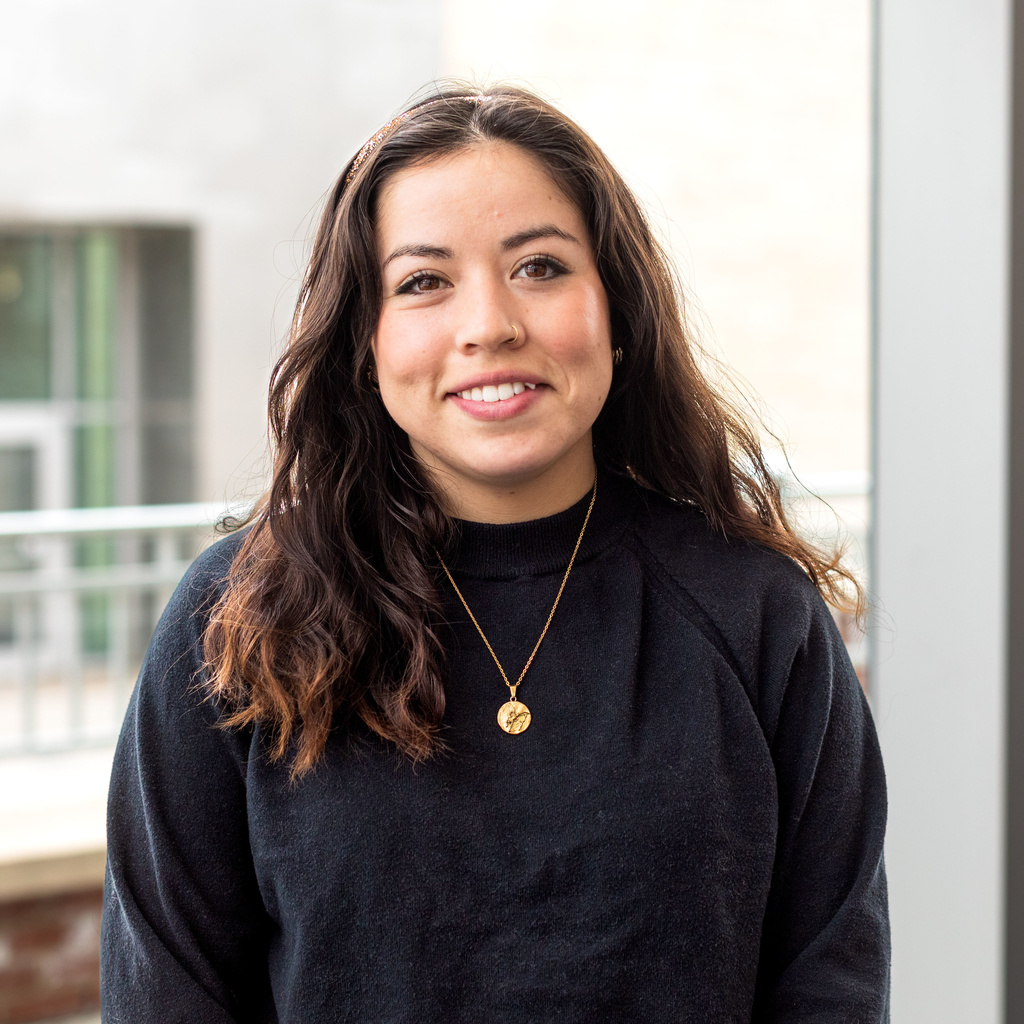
Ian Lai

Ian Lai

I graduated from the University of California, at Irvine, in 2004 with a BS in Biological Sciences. I am currently working on part of Superfund Project 1, determining the effects that certain polychlorinated biphenyls (PCBs) can have on the expression and activity of xenobiotic-metabolizing and antioxidant enzymes in the rat liver, specifically cytochrome P450 (CYP) and glutathione peroxidase (GPx). I also plan to investigate the effects that PCB126, a potent PCB congener, has on the expression and activity of those enzymes in the extrahepatic organs of rats.


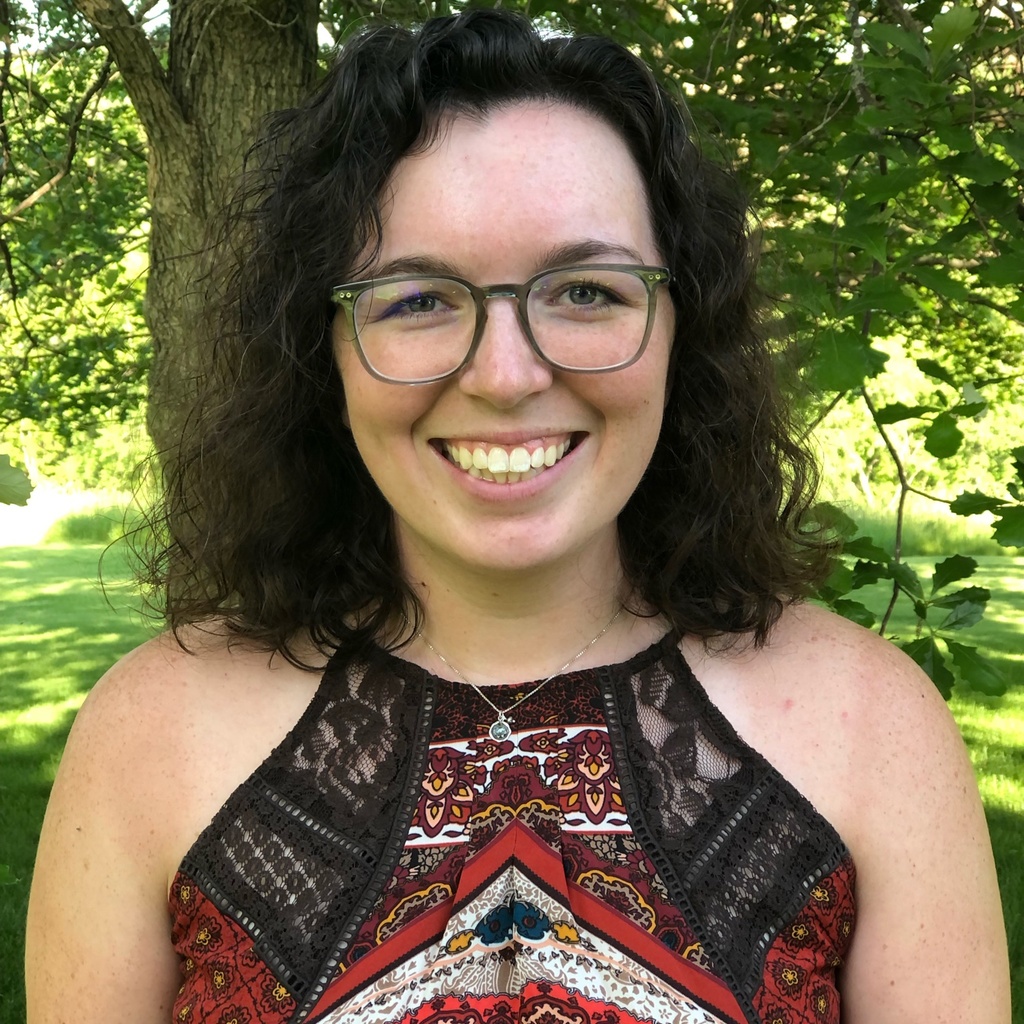
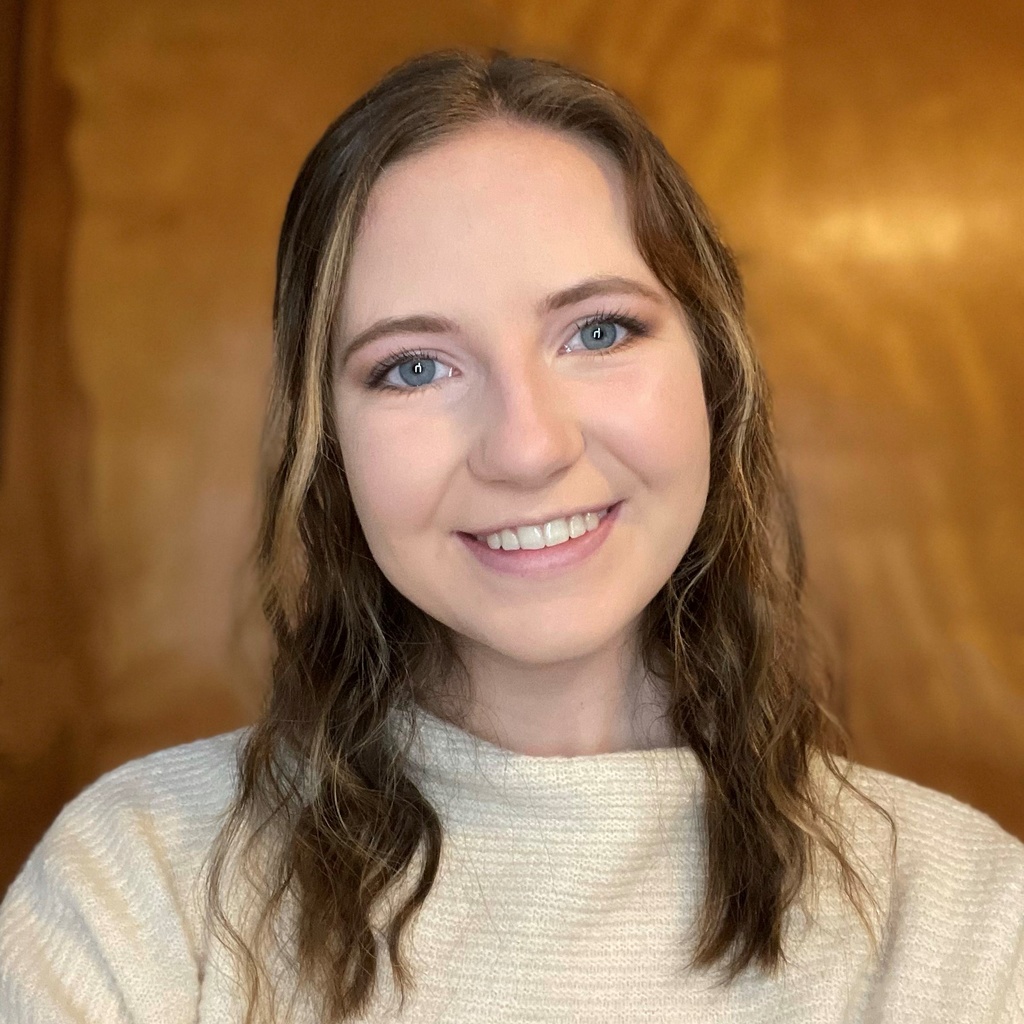
Bingxuan Wang (Gabrielle)

Bingxuan Wang

I chose Environmental Biology as my major for undergraduate study in China. At that time the two courses of Environmental Toxicology and Ecotoxicology brought me into the fascinating world of toxicology. Not only does the name “toxicology” sound cool, but its coverage of many aspects of Health Science makes it a useful subject for the well being of man kind as well. What I like most of it is that it enables me to dig into the molecular and genetic level in search of adverse effects caused by environmental pollutants. That’s why I became a PhD student of Human Toxicology. Surely it is challenging, but I believe it’s worth my effort.